

How does a non - slip kids chair work?
Jul 18, 2025
Leave a message
How does a non - slip kids chair work?
As a dedicated supplier of non - slip kids chairs, I've witnessed firsthand the growing demand for these essential pieces of furniture. Parents today are more conscious than ever about the safety of their children, and a non - slip kids chair is a significant addition to any home or childcare facility. In this blog, I'll delve into the science and engineering behind how these chairs work to keep our little ones safe.
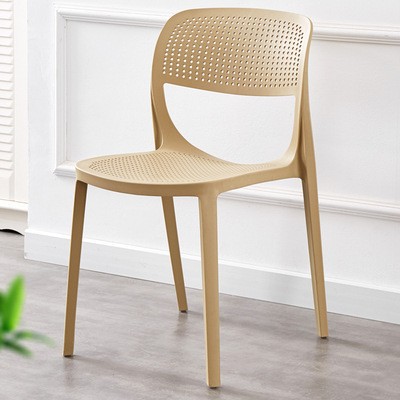

The Basics of Non - Slip Technology
At the heart of a non - slip kids chair is the concept of friction. Friction is the force that opposes the relative motion or tendency of such motion of two surfaces in contact. When a child sits on a chair, there are two main areas where non - slip technology comes into play: the contact between the chair's legs and the floor, and the contact between the child's body and the chair's seat.
Let's start with the chair legs. Most non - slip kids chairs are equipped with rubber or silicone feet. These materials have a high coefficient of friction, which means they grip the floor surface well. For example, rubber has a coefficient of friction that can range from 0.5 to 1.0 on a dry surface, depending on the type of rubber and the floor material. This high friction prevents the chair from sliding across the floor when the child moves around, stands up, or sits down abruptly.
The seat of the non - slip kids chair also plays a crucial role. The surface of the seat is often designed with a texture that increases friction. This can be in the form of small bumps, ridges, or a micro - textured pattern. When a child sits on the chair, these textures create more contact points between the child's clothing or skin and the seat, increasing the frictional force. This helps to keep the child in place and reduces the risk of them slipping off the chair.
Material Selection
The choice of materials is vital in the design of non - slip kids chairs. In addition to the rubber or silicone feet, the frame and seat of the chair are typically made from durable and safe materials.
For the frame, high - quality plastics such as polypropylene are commonly used. Polypropylene is a lightweight yet strong material that can withstand the rough handling of children. It is also resistant to moisture and chemicals, making it suitable for use in various environments, including kitchens, playrooms, and outdoor areas.
The seat material is often a soft, yet grippy fabric or a molded plastic with a non - slip finish. Some chairs use a breathable mesh fabric that not only provides comfort but also has a certain level of friction to keep the child seated securely.
Structural Design
The structural design of a non - slip kids chair also contributes to its functionality. A wide base is a common feature in these chairs. A wider base provides a larger area of contact with the floor, increasing stability. This is based on the principle of the center of gravity. The lower and wider the base of the chair, the more stable it is, and the less likely it is to tip over.
Another aspect of the structural design is the shape of the chair. Many non - slip kids chairs are designed with a contoured seat that conforms to the child's body. This not only provides comfort but also helps to keep the child centered on the chair, reducing the risk of slipping off the side.
Testing and Certification
Before a non - slip kids chair reaches the market, it undergoes rigorous testing to ensure its safety and functionality. These tests include slip resistance tests on different floor surfaces, load - bearing tests to ensure the chair can support the weight of a child, and stability tests to check for tipping.
Certifications such as ASTM (American Society for Testing and Materials) standards or EN (European Norm) standards are important indicators of a chair's quality and safety. These standards set specific requirements for factors such as slip resistance, strength, and durability. As a supplier, we ensure that all our non - slip kids chairs meet or exceed these standards to provide parents with peace of mind.
Real - World Applications
Non - slip kids chairs have a wide range of applications. In a home setting, they can be used in the dining room, where children can sit safely while eating. They are also great for playrooms, where kids can use them for reading, coloring, or playing games.
In childcare facilities, non - slip kids chairs are essential. They are used in classrooms, lunch areas, and nap rooms. The safety features of these chairs are especially important in these environments, where there are many children and a high level of activity.
Our Product Range
As a supplier, we offer a diverse range of non - slip kids chairs to meet different needs and preferences. For example, our Butterfly Rocking Chair combines the fun of a rocking chair with the safety of non - slip features. The rubber feet on the rocking base prevent it from sliding across the floor, and the textured seat keeps the child secure while they rock back and forth.
Our Plastic Shoe Changing Stool is another popular product. It has a wide base and a non - slip seat, making it a safe and convenient option for children to use when putting on or taking off their shoes.
The Polyethylene Stool is a versatile and durable non - slip option. Made from high - quality polyethylene, it can be used both indoors and outdoors, and its non - slip feet and seat ensure the safety of the child.
Conclusion
In conclusion, non - slip kids chairs work through a combination of friction - based technology, careful material selection, and thoughtful structural design. These chairs provide a safe and comfortable seating solution for children in various settings.
If you're interested in purchasing non - slip kids chairs for your home, childcare facility, or any other application, we'd love to hear from you. We offer a wide range of products that are designed with safety and quality in mind. Contact us to discuss your specific needs and explore our product range. We're committed to providing the best non - slip kids chairs to keep your little ones safe and happy.
References
- ASTM International. (2023). Standards for children's furniture safety.
- European Committee for Standardization. (2023). EN standards for children's products.
- Callister, W. D., & Rethwisch, D. G. (2014). Materials Science and Engineering: An Introduction. Wiley.